
Comprehensive Masonry Services for Dublin, Ohio Properties
Request a Quote!
Contact Us
Brick, stone, block, and mortar are built for strength, but every masonry feature is affected by moisture, temperature changes, movement, and age. A small opening in a mortar joint can allow water to reach deeper into the materials causing further damage over time. A loose brick, leaning wall, or damaged chimney crown can also point to conditions that deserve a closer look. Dublin Masonry provides masonry repair, rebuilding, restoration, and installation services for homes, and commercial properties in Dublin, Ohio and the surrouding areas.
Every project begins with a deep dive into the existing condition and environment of the proposed project. We look at the visible damage, the surrounding masonry, drainage, previous repairs, and the way the masonry was constructed. This helps us determine whether a repair, partial rebuild, or new installation is the appropriate action. Our goal is to explain the options clearly and prepare a quote based on the actual work being considered.
If you feel you are in need of any Masonry related repairs or construction, call us at (614) 708-7020 or complete the Request a Quote form. If you are unsure, a short description of the concern is enough to begin the conversation.
Brick and Stone Repair
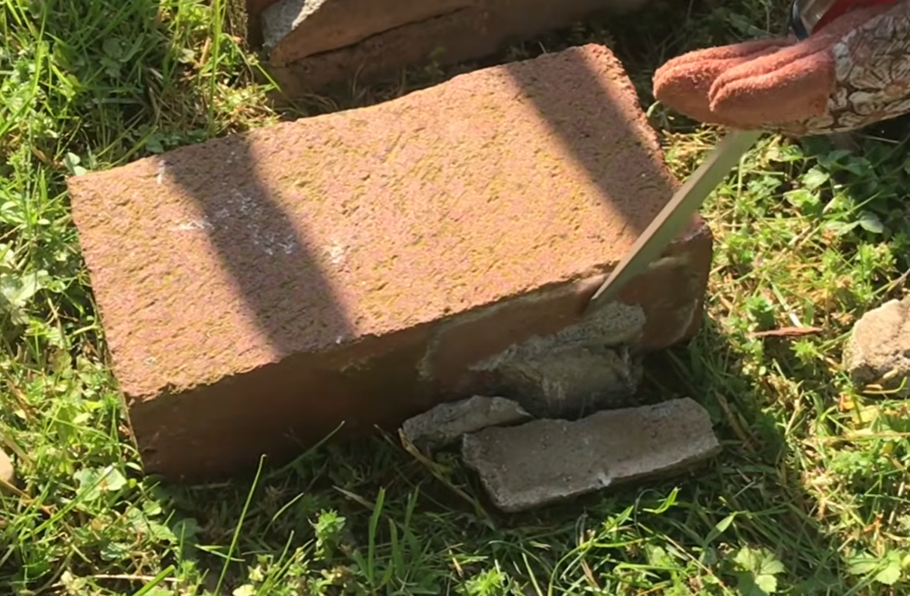
Cracked brick, spalled brick faces, loose stone, open joints, and isolated material loss can affect both the aesthetics and performance of any masonry. Damage often develops where water repeatedly reaches the surface and infiltrates into the materials or where movement places stress on the joints and materials. The condition may remain limited to a small area, or it may extend behind what is immediately visible.
Brick and stone repair may involve removing damaged portions of material, preparing the surrounding area, installing the suitable replacement materials, and restoring the mortar joints. Matching is an important part of the work. Brick size, color, texture, mortar color, and joint shape all affect how the repaired area blends with the existing masonry. The finished repair should also take into consideration the original source of the problem that caused the previous failure and mitigate that risk so the same problem doens't happen again.
Tuckpointing and Mortar Repair
Thing of mortar joints as being the support for masonry blocks, bricks, or stones while helping manage normal movement and moisture. In poor conditions over time, mortar can become cracked, crumble, recessed, or missing. Deteriorated joints can allow additional water into a wall and may contribute to continued damage during freezing and thawing.
Tuckpointing removes damaged mortar to an appropriate depth and replaces it with new mortar selected for the existing masonry. The strength and composition of the replacement matters and we take this seriously. Mortar that is too hard may place unnecessary stress on the brick instead of allowing the joint to perform as intended. Joint depth, profile, curing, color, and surrounding conditions are all considered before work begins.
Mortar repair may be appropriate for exterior walls, chimneys, steps, foundations, fireplaces, and other brick or stone features. Areas with widespread movement or damaged masonry may require additional repairs beyond the joints themselves.
Chimney Repair and Rebuilding
Chimneys are exposed to rain, snow, wind, and repeated temperature changes that can swing wildly as we all know in Central Ohio. Water can enter through a damaged crown, open mortar joints, cracked brick, or other vulnerable areas. Once moisture reaches the masonry, freezing temperatures can accelerate surface loss and joint deterioration through the water expanding into ice.
Chimney work may include brick replacement, tuckpointing, crown repair, localized rebuilding, or a more extensive rebuild when the structure has widespread damage. The appropriate solution depends on the stability of the chimney, the depth of the deterioration, and the condition of nearby materials. A repair should address the damaged masonry while also considering how water is reaching and leaving the area.
Common warning signs include loose bricks, cracked mortar, missing pieces, white mineral deposits, dark moisture staining, a deteriorated crown, or masonry debris on the roof or ground.
Brick and Stone Veneer
Brick and stone veneer can add texture and visual character to exterior walls, entryways, fireplaces, columns, and other architectural features. A successful installation depends on more than the visible surface. Preparation, material selection, layout, attachment, spacing, moisture management, and finishing all affect the finished project.
Veneer projects may involve adding a new masonry feature or replacing an older surface that has loosened, cracked, or deteriorated. We consider the shape and scale of the area, the surrounding materials, and the style of the property when discussing possible options. Natural variation is part of the character of brick and stone, so thoughtful placement helps the finished surface feel balanced rather than repetitive.
Retaining Wall Repair and Construction
Retaining walls hold back soil and help create usable changes in elevation. They must manage the weight of the soil as well as water that collects behind the wall. When drainage, base preparation, or surrounding conditions are inadequate, pressure can lead to leaning, cracking, separation, or displaced materials.
Repair may be possible when damage is limited and the surrounding wall remains stable. A wall with significant movement, widespread separation, or a failed base may require partial or complete reconstruction. The visible wall is only one part of the system. Base conditions, drainage material, water flow, wall height, and the grade of the land should also be reviewed.
New retaining wall construction should begin with a plan suited to the site and the intended function. Material choice, layout, drainage, and preparation all contribute to appearance and long term performance.
Fireplace Masonry Repair and Rebuilding
Fireplace masonry can develop cracked joints, loose brick, damaged hearth materials, surface staining, and worn firebox components. The location of the damage matters because masonry inside the firebox is exposed to very different conditions than decorative masonry around the opening.
A fireplace evaluation should distinguish between visible finish concerns and conditions that may affect safe operation. Masonry repairs may include joint work, brick replacement, hearth repair, or rebuilding of damaged sections. Work involving the flue, liner, smoke chamber, or other operating components may require additional evaluation by an appropriate chimney professional.
For outdoor fireplaces, the surrounding patio, drainage, firebox construction, and exposure to weather should be considered along with the visible masonry. We can discuss the masonry condition and determine the appropriate next step for the project.
Foundation and Concrete Block Wall Repair
Concrete block foundations and masonry walls may develop stair step cracks, horizontal cracks, open joints, damaged blocks, moisture staining, or visible movement. Some concerns are sometimes limited to mortar or individual blocks. Others may be connected to water pressure, soil conditions, settlement, or structural movement.
The crack pattern, width, location, and surrounding conditions help guide the evaluation. Simply covering a crack does not address the source when water pressure remains active. We review the accessible masonry and discuss whether localized block and mortar repair appears appropriate or whether the condition should first be evaluated along with a structural or drainage professional.
Masonry Steps, Patios and Walkways
Brick and stone steps, patios, porches, and walkways have to be constructed to handle foot traffic, moisture, soil movement, and seasonal temperature changes. Loose units, failed joints, settled sections, and uneven surfaces can affect appearance and safe use. Water collecting on the surface or near an adjoining wall can also contribute to greater deterioration.
Repair options depend on the base, the condition of materials, and the extent of movement/damage. A small area may be repaired, while widespread settlement may call for rebuilding the affected section. New masonry features require careful layout, suitable base preparation, appropriate slope, and materials selected for the intended use.
How We Approach Masonry Projects
Start With a Conversation
Call (614) 708-7020 or complete the Request a Quote form with your name, phone number, email address, city or ZIP code, desired service, and a short project description. You do not need detailed measurements or specifications before contacting us.
Review the Existing Conditions
We arrange a time to discuss the project and review the accessible masonry. The visible materials, movement, drainage, surrounding surfaces, and previous repairs may all affect the possible scope. This is also an opportunity to discuss your goals and questions.
Discuss the Recommended Direction
Once the condition is understood, we can explain whether the work appears to call for repair, partial rebuilding, replacement, or new installation. When another type of professional evaluation is appropriate, that should be identified before masonry work moves forward.
Prepare the Quote
The quote is based on the agreed scope and the information available during the review. Questions about materials, access, scheduling, and the proposed work can be addressed before the project is placed on the schedule.
Masonry Services for Central Ohio Conditions
Dublin masonry is exposed to rain, humidity, snow, and repeated freezing and thawing. Water that enters a crack or open joint can freeze, expand, and contribute to material loss. Good masonry planning considers where water comes from, how it moves through the area, and where it drains afterward.
Older and newer properties may require different repair approaches. Existing brick hardness, mortar composition, joint profile, previous coatings, and earlier repairs can influence material selection. A repair should be compatible with the surrounding masonry instead of relying on the same material and method for every property.
Dublin Masonry serves properties in Dublin, Ohio, and nearby Central Ohio communities within the available service area. Call (614) 708-7020 or complete the Request a Quote form to confirm your location and discuss the masonry work you are considering.
Masonry Service Questions
Do you handle small masonry repairs?
Project availability depends on the type of repair, location, access, and current schedule. Contact us with a short description of the damaged area so we can determine the appropriate next step.
Can you match existing brick and mortar?
We consider brick size, color, texture, mortar color, and joint style when planning a repair. Exact matches are not always available, especially with older or discontinued materials, but the goal is to find the most suitable available option.
Does every masonry crack require rebuilding?
No. Some cracks are limited to mortar or a small number of masonry units. Wider movement, repeated cracking, or unstable surrounding material may support a larger repair or additional evaluation.
What information should I include in the quote form?
Provide your contact information, city or ZIP code, the service you are considering, and a short description of the concern. After we connect, we can arrange a time to review the project and work through the details.
Request a Quote!
Call (614) 708 7020 or complete the Request a Quote form to get started. After we connect, we can arrange a time to meet, discuss the project, and determine the appropriate next steps.