
Masonry Contractor in Dublin, Ohio
Brick, Stone, Chimney and Masonry Repair Services
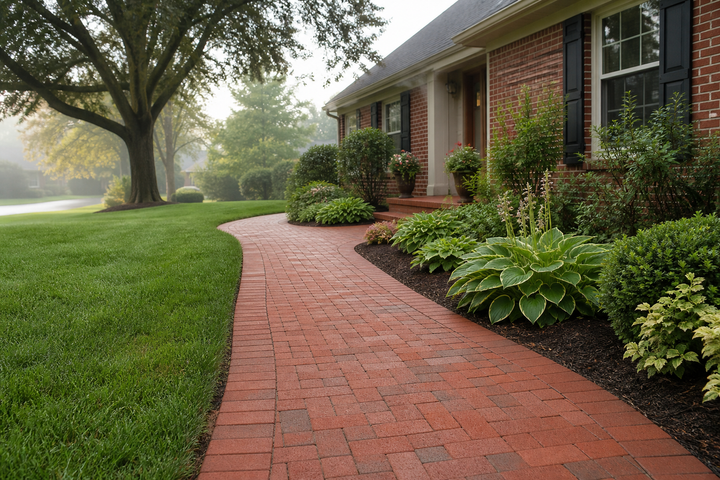
Masonry Repair and Construction in Dublin, OH
Masonry gives a property strength, character, and lasting visual appeal. Every brick, stone, block, and mortar joint is exposed to wind, weather, and time. Cracks, loose materials, water stains, and crumbling mortar may begin as small concerns and become more disruptive when moisture reaches deeper parts of the structure. Dublin Masonry provides practical masonry solutions for repair, restoration, rebuilding, and new installation throughout Dublin, Ohio.
The right approach depends on the material, the source of the damage, and the condition of the surrounding masonry. A focused repair may address limited damage, while wider movement, water entry, or extensive deterioration may call for partial rebuilding. Our goal is to begin with a straight forward conversation and honest evaluation of your unique situation.
Request a Quote!
Contact Us
Masonry Services for Dublin Properties
Brick and Stone Repair
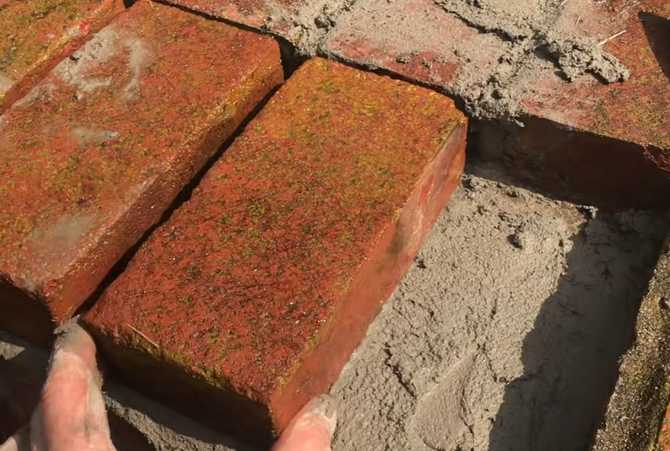
Cracked brick, loose stone, damaged mortar, and isolated areas of deterioration can affect appearance and allow moisture to move into surrounding materials causing further damage. Our Brick and stone repair focuses on removing damaged material where appropriate, restoring sound sections, and matching the existing surface as closely as conditions allow.
Tuckpointing and Mortar Repair
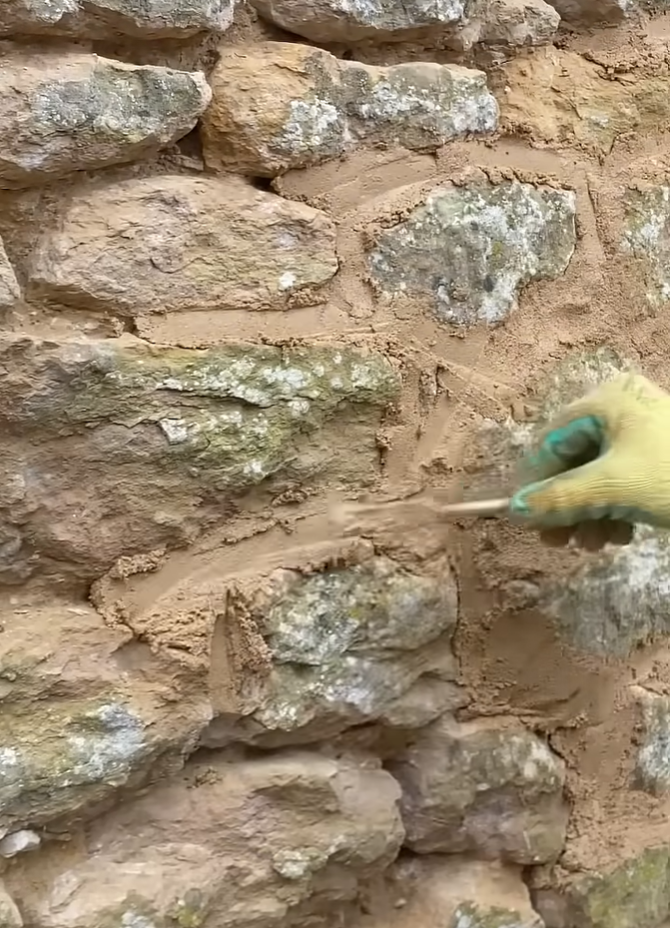
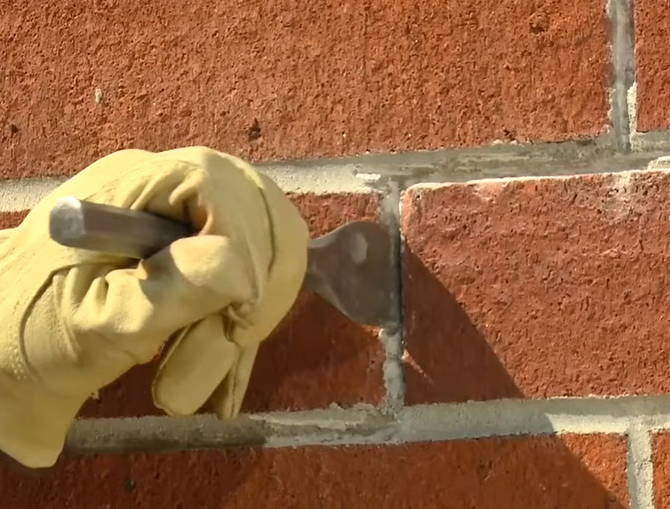
Mortar joints help hold masonry together and direct water away from the wall. When mortar becomes soft, recessed, cracked, or loose, tuckpointing can remove deteriorated material and replace it with properly selected mortar. Proper joint repair can improve appearance while helping to protect the surrounding brick or stone.
Chimney Repair and Rebuilding
Chimneys face constant exposure to rain, snow, temperature changes, and wind. Services may include damaged brick replacement, mortar joint repair, crown repair, localized rebuilding, or complete rebuilding when deterioration is extensive. Addressing visible chimney damage can help reduce water entry and material loss.
Brick and Stone Veneer
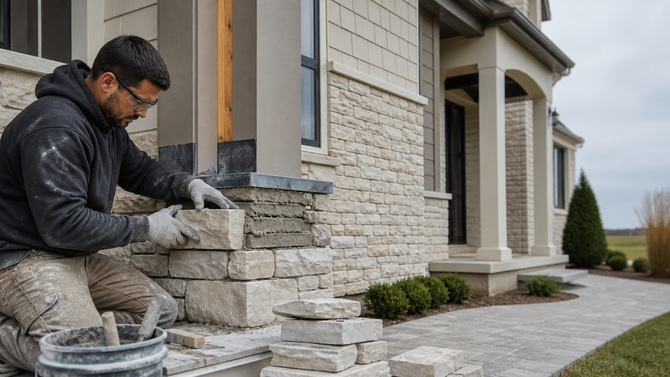
Brick and stone veneer can add texture and character to exterior walls, entryways, fireplaces, and other architectural features. Installation requires careful preparation, suitable materials, consistent spacing, and attention to potential moisture issues. Veneer work may involve a new feature or the replacement of an older surface that has become loose or damaged.
Retaining Wall Repair and Construction
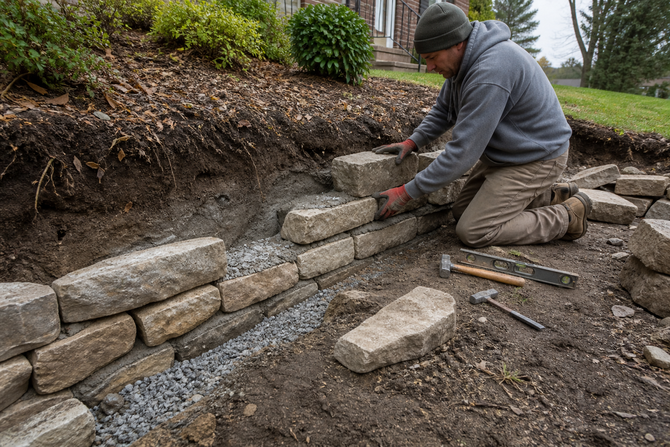
Retaining walls manage soil and create usable changes in elevation around a property. Cracking, leaning, separation, or displaced materials may point to drainage pressure, foundation movement, or material deterioration. Repair or reconstruction should address both the visible damage and the conditions that contributed to the problem.
Fireplace Masonry Repair and Rebuilding
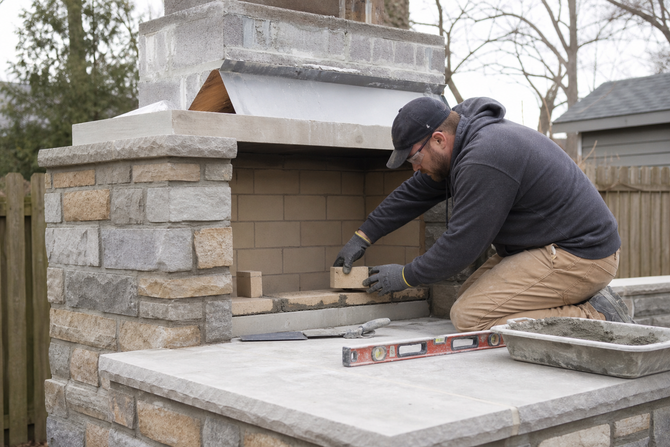
Fireplace masonry can develop cracked joints, loose brick, damaged hearth materials, and worn surfaces. Repair options depend on the location and severity of the damage as well as the way the fireplace is constructed. A thorough evaluation helps determine whether localized repair, surface restoration, or rebuilding is the appropriate direction.
Foundation and Concrete Block Wall Repair
Concrete block walls and masonry foundations may show stair step cracks, open joints, bowing, moisture stains, or damaged blocks. Some concerns are limited to the surface, while others may indicate movement or water pressure. The first step is identifying the visible pattern and determining what type of evaluation and repair may be appropriate.
Masonry Steps, Patios and Walkways
Brick and stone steps, patios, and walkways must handle foot traffic, moisture, soil movement, and seasonal temperature changes. Loose units, uneven surfaces, failed joints, and settled sections can affect both appearance and safe use. Repairing or rebuilding can restore damaged areas and improve the way these features connect with the property.
Signs Your Masonry Needs Attention
Masonry problems are often easier to address when they are recognized early on prior to deterioration spread. Look for cracked or loose bricks, crumbling mortar, open joints, leaning walls, displaced stones, white mineral deposits, dark water stains, or vegetation growing from joints. Around a chimney, watch for damaged crown material, loose brick faces, gaps in mortar, or pieces of masonry appearing on the roof or ground around the chimney.
Should Masonry Be Repaired, Rebuilt, or Replaced?
There is no single answer for every masonry problem as each situation is unique. Limited mortar loss may be addressed through joint repair, while one or two damaged bricks may be removed and replaced without rebuilding an entire wall. A chimney with widespread material failure, a retaining wall with major movement, or steps with an unstable base may require partial or complete rebuilding.
The decision depends on the depth of the damage, the stability of nearby materials, and the presence of water. Previous repairs also matter because incompatible materials can trap moisture or place stress on older masonry. The complete condition should be considered before a repair strategy is discussed and implemented.
Why Property Owners Contact Dublin Masonry
Clear communication is important from the first conversation through the discussion of the proposed work to process of doing the work. Recommendations should reflect the condition of the masonry instead of applying the same solution to every wall, chimney, or walkway. We tend to think outside of the box and consider every creative option to give you the best solution.
Our Masonry Quote Process
Start the Conversation
Call (614) 708 7020 or complete the Request a Quote form with your name, phone number, email address, city or ZIP code, desired service, and a short description of the concern. You do not need to prepare detailed specifications before making the initial inquiry.
Discuss the Property and Project
We will begin with an onsite review and discussing all aspects of the project at hand. This conversation makes sure we are all on the same page and there are no surprises.
Review the Masonry
The visible materials, surrounding conditions, drainage, movement, and previous repairs may all affect the recommended approach. The purpose of the review is to understand the condition well enough to discuss the scope of work.
Receive a Quote
Once the necessary details are understood, the proposed work can be explained and a quote can be prepared. Questions about the scope, materials, timing, and next steps can be addressed before we schedule the work.
Masonry and Central Ohio Weather
Dublin masonry is exposed to precipitation, humidity, and repeated freezing and thawing. Water entering open joints or cracks can freeze and expand creating deterioration of the material. Repeated cycles may loosen mortar, damage brick faces, and contribute to movement.
Good masons consider how water reaches the area and where it goes afterward. Chimney crowns should direct water away, retaining walls need appropriate drainage, and patios should not collect water against masonry. Repairing visible damage without considering what caused the damage in the first place, may leave the original cause in place.
Older masonry may require a different approach from newer construction. Mortar that is too hard can transfer stress into an existing brick. Color, strength, composition, joint shape, and application should be considered when planning any tuckpointing or restoration work.
Serving Dublin and Nearby Communities
Dublin Masonry is focused on properties in Dublin, Ohio, and nearby Central Ohio communities within the available service area. Every situations and job is different, so service availability and project details should be confirmed during the initial conversation.
If you are unsure whether your location or masonry concern is covered, call or complete the "Request a Quote" form. A short description of the service is enough to start the process.
Masonry Questions
What types of masonry work do you handle?
We cover brick and stone repair, tuckpointing, chimney repair and rebuilding, brick and stone veneer, retaining walls, fireplace masonry, foundation and concrete block walls, and masonry steps, patios, and walkways. The exact scope depends on the condition and location of the project. Every Project is unique.
What causes mortar joints to deteriorate?
Moisture, temperature changes, age, movement, and incompatible previous repairs can all contribute to mortar deterioration. The exact source and cause should be identified before any repairs are performed.
Can damaged bricks be replaced without rebuilding the wall?
Individual bricks can be replaced when the surrounding masonry remains stable. Wider damage, movement, or extensive material failure may require a larger repair or potentially a replacement if the damage is extensive enough.
When does a chimney need rebuilding instead of repair?
Localized damage may be repairable, while widespread loose brick, severe mortar failure, movement, or repeated water damage may support partial or complete rebuilding. The decision should follow an evaluation of the chimney condition.
What causes a retaining wall to lean?
Common contributors include soil pressure, trapped water, inadequate drainage, base movement, and material deterioration. A lasting plan should address the cause as well as the visible movement to prevent the same problems from reoccuring.
How do I request a masonry quote in Dublin?
Call (614) 708-7020 or complete the Request a Quote form. After we connect, we can arrange a time to discuss the property, evaluate your masonry project, and work through the appropriate next steps.